Call · Care · Recovery · Together
Families usually call us about a Drug Rehabilitation Centre in Phase 2 at a turning point — after a fight at home, a job loss, a hospital visit, or finding drugs in a child's room. Whatever brought you here, you have already taken the hardest step: deciding to look for help.
DialNashaMukti connects families across Punjab with verified treatment centres. For Phase 2, we suggest options in and around Mohali, explain how admission works, and share the centre's address so you can see it in person before deciding.
Why drug rehab needs medical supervision
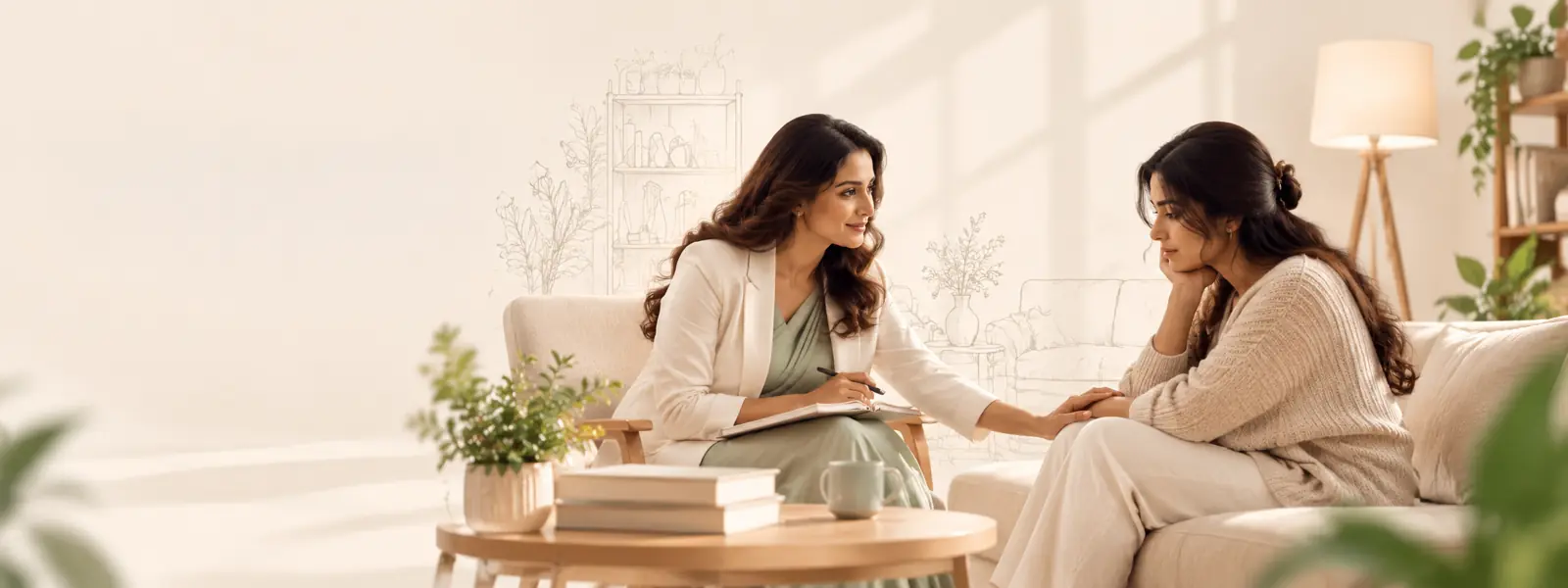
Withdrawal from opioids like smack and heroin is intensely painful, and stopping sleeping pills suddenly can cause fits. Stimulants such as MD and cocaine can leave people anxious, paranoid or deeply low. A drug rehabilitation centre with a psychiatrist manages these risks safely. We only guide families from Phase 2 towards centres where a doctor is involved in treatment.
Addiction in Punjab: what families in Phase 2 should know
Punjab's battle with chitta (heroin) is well known, and it has touched families in villages and cities alike. Doda post, afeem and the misuse of pharmaceutical opioids are also common, often alongside alcohol. The good news is that opioid addiction is very treatable: Punjab runs government outpatient opioid-assisted treatment (OOAT) clinics, and many private centres offer residential care. We can guide you on both.
For a family in Phase 2, the practical questions matter: how far is the centre, can relatives visit at weekends, will the patient be away from friends who use? We take these into account, along with what we know about Phase 1, Phase 3 and Phase 4 and the rest of Mohali, when suggesting a centre.
Warning signs of smack / heroin / chitta that families in Phase 2 report
- Silver foil, burnt spoons or lighters in his room
- Pinpoint pupils and nodding off mid-conversation
- Sudden, repeated demands for money
- Running nose, yawning and body ache when the drug is not available
- Long sleeves even in hot weather
If several of these sound familiar, read our guide to smack / heroin / chitta treatment or call us for advice.
How to choose the right drug rehabilitation centre in Phase 2
Before you admit someone, make sure the centre ticks these boxes:
- A qualified doctor or psychiatrist oversees detox and medicines
- Patients are treated with dignity — no chains, beating or locked rooms
- There is a written aftercare and follow-up plan
- Fees and duration are explained clearly in writing
- Trained counsellors provide individual and family therapy
- It is registered with the state authorities as a mental health / de-addiction establishment
Addictions treated at a drug rehabilitation centre in Phase 2
- Smack / Heroin / Chitta — Brown sugar and opioid drugs
- Ganja / Charas / Bhang — Cannabis, weed and hash
- MD, Cocaine & Party Drugs — Mephedrone, ecstasy, LSD
- Cough Syrup & Pill Addiction — Codeine syrup, sleeping pills, painkillers
- Opium / Doda Post — Afeem and poppy husk
We also guide families on alcohol (sharab) addiction, solution / whitener sniffing, cigarette & beedi smoking, gutkha, khaini & tobacco.
Five steps from your first call to admission
- Share what is happening at home in Phase 2 — in Hindi or English.
- We assess whether OPD counselling or residential care is right.
- You receive the address and contact of a verified centre around Mohali.
- Your family visits and agrees on fees and duration in writing.
- Treatment begins, and we check in regularly with the family.
When the person says "I can stop on my own"
Many people genuinely believe they can — and some manage for a few days. If several attempts have already failed, suggest a short assessment with a doctor rather than a long admission. A smaller first step is easier to accept. We can help families in Phase 2 find a centre that offers an initial consultation.
What good treatment looks like
A genuine programme for a patient from Phase 2 usually begins with a medical assessment and supervised detox, so withdrawal is safe. This is followed by individual and group counselling, family sessions, a healthy routine — yoga, exercise, nutrition — and a clear relapse-prevention plan before discharge. Follow-up after the patient returns home is just as important as the stay itself.
ड्रग रिहैबिलिटेशन सेंटर Phase 2 — आसान भाषा में पूरी जानकारी
Phase 2 में ड्रग रिहैबिलिटेशन सेंटर के लिए बस एक कॉल काफ़ी है। शराब, स्मैक, चिट्टा, गांजा या नशीली दवाइयों — किसी भी लत के लिए हमारे काउंसलर हिंदी और अंग्रेज़ी में बात करते हैं, बिना जज किए सुनते हैं और आपके बजट के हिसाब से सही विकल्प बताते हैं।
- भर्ती से पहले सेंटर देखने की सुविधा
- डिस्चार्ज के बाद फ़ॉलो-अप और दोबारा नशे से बचाव की योजना
- व्यक्तिगत और फ़ैमिली काउंसलिंग
- महिलाओं के लिए अलग सुविधा वाले सेंटर
चिंता है तो कल का इंतज़ार न करें। अभी +91 88602 12642 पर कॉल या WhatsApp करें।
FAQs — Drug Rehabilitation Centre in Phase 2
Is there a Drug Rehabilitation Centre near Phase 2?
Yes. DialNashaMukti connects families from Phase 2 with verified centres in and around Mohali. When you call, we share the centre's address and contact details so you can visit before deciding.
Will my call be kept confidential?
Absolutely. We do not share your details with anyone except the centre you agree to be connected with. Registered centres are also bound by patient confidentiality.
How can I check that a Drug Rehabilitation Centre is genuine?
Ask for its registration, meet the doctor, see the rooms and ask how withdrawal is managed. Avoid any centre that refuses visits or uses chains, locks or punishment. We share verified options to make this easier.
Is treatment available for women from Phase 2?
Yes. Some centres have separate, secure facilities and female staff for women patients. Let us know and we will only suggest suitable centres.
Is the helpline free for families in Phase 2?
Yes. Calling DialNashaMukti for guidance is free for families. Treatment fees, if any, are paid directly to the centre you choose, and you will know them before admission.
How long does treatment usually take?
Detox alone takes about one to two weeks. Most residential programmes run 30 to 90 days, followed by outpatient follow-up. Milder cases may be treated entirely through OPD visits.
नशा छुड़ाने का इलाज कितने दिन चलता है?
सिर्फ़ डिटॉक्स में लगभग एक से दो हफ़्ते लगते हैं। ज़्यादातर रेज़िडेंशियल प्रोग्राम 30 से 90 दिन के होते हैं, उसके बाद OPD फ़ॉलो-अप होता है।
अगर मरीज़ इलाज के लिए तैयार न हो तो क्या करें?
यह बहुत आम है। हमारे काउंसलर परिवार को बताते हैं कि उससे कैसे बात करें और मोटिवेशन कैसे बढ़ाएं। हम कभी ज़बरदस्ती या अवैध रूप से रोकने का समर्थन नहीं करते।
Recovery begins with a single conversation. Call or WhatsApp us from anywhere in Phase 2, any time of day or night.